As the garden slows and the days get shorter here in New England, I like to think of November and December as the quiet months of abundance. The growing season may be winding down, but the farm stands and local markets are still brimming with sturdy root vegetables, sweet winter squash, hardy greens, and all those beautiful storage crops that carry us through the colder days.
This is the time to lean into warm, cozy recipes, to roast, simmer, and slow-cook your way into winter comfort, all while supporting our local growers who work hard to extend the season with cold storage and greenhouses.
Below you’ll find a list of seasonal produce, fruits, and herbs that are local (or as close to local as possible) in New England through late fall and early winter, plus plenty of recipe inspiration to make the most of them!

Vegetables and Roots
These are the backbone of the winter kitchen. They are hearty, earthy, and full of flavor once roasted or simmered into soups and stews. Most of these are still available from local cold storage or harvested late into the season.
Beets
Beets are truly one of the gems of late fall. They are earthy, sweet, and vibrant enough to brighten even the grayest day. Roast them whole and their natural sugars caramelize beautifully, or shred them raw for a crisp salad. I love keeping a jar of roasted beets in the fridge for tossing into salads, bowls or sandwiches all week long.
Fresh beets always remind me of the smell of fresh rain on the soil. That deep, grounding scent that connects you right back to the earth. Maybe that’s why I find them so comforting to cook with, especially this time of year.
💡 Did you know: Beets were once prized as a natural sweetener before sugarcane became common.
Beet Recipes

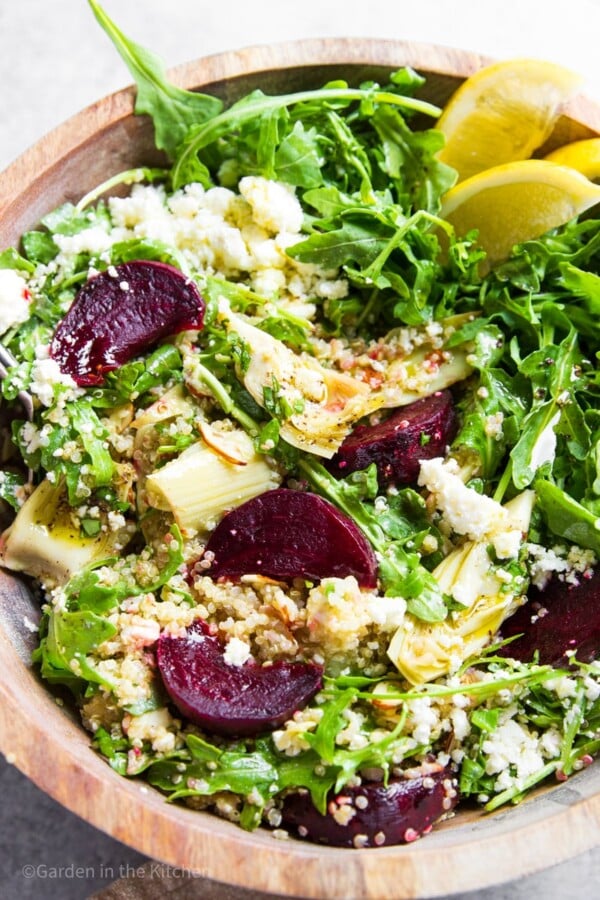
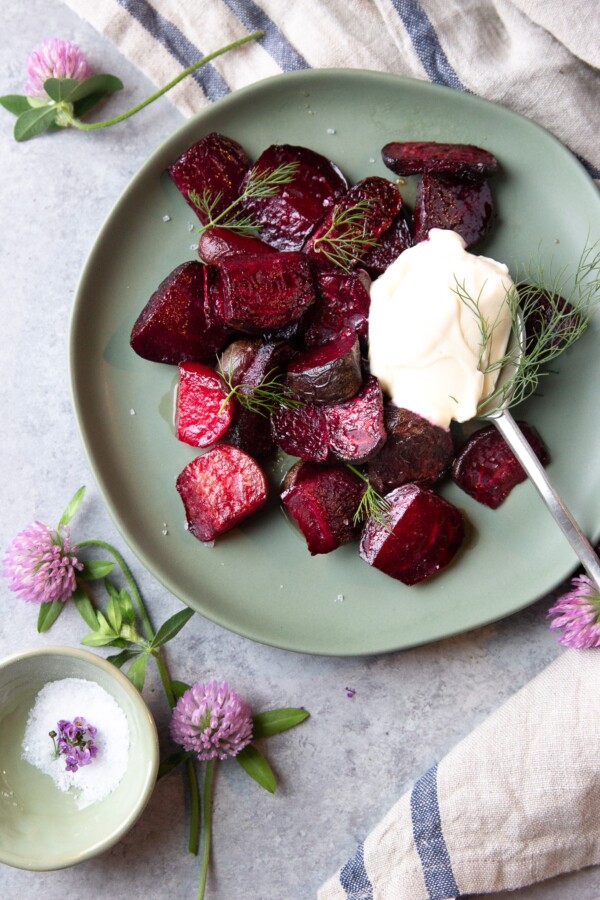
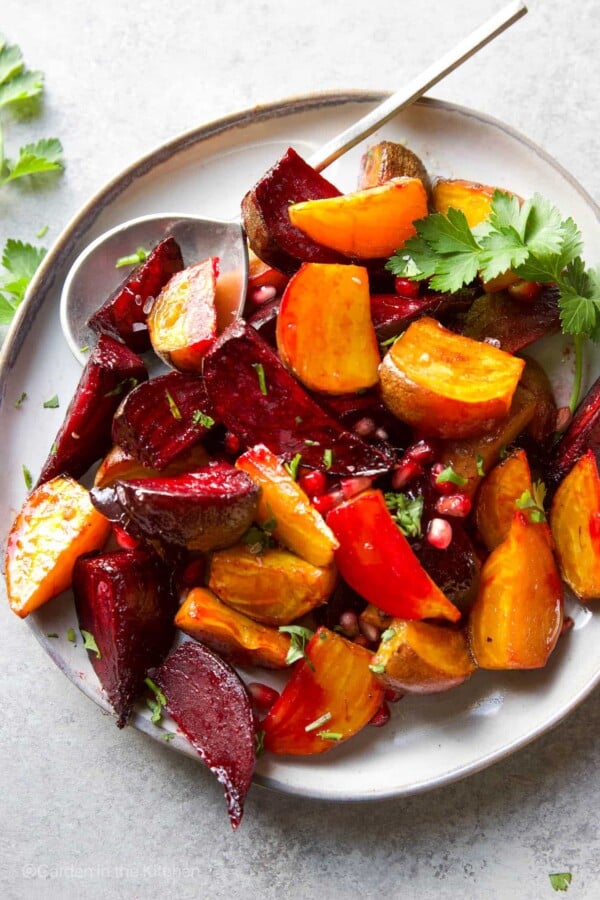
Every year, I grow a small patch of beets in my garden, and they never fail to amaze me. There’s something so grounding about pulling them from the soil, that deep, earthy scent (like fresh rain on the ground) and their rich color always stop me in my tracks. These are my homegrown beets, straight from garden to kitchen, and a little reminder of how beautiful simple food can be

Cabbage
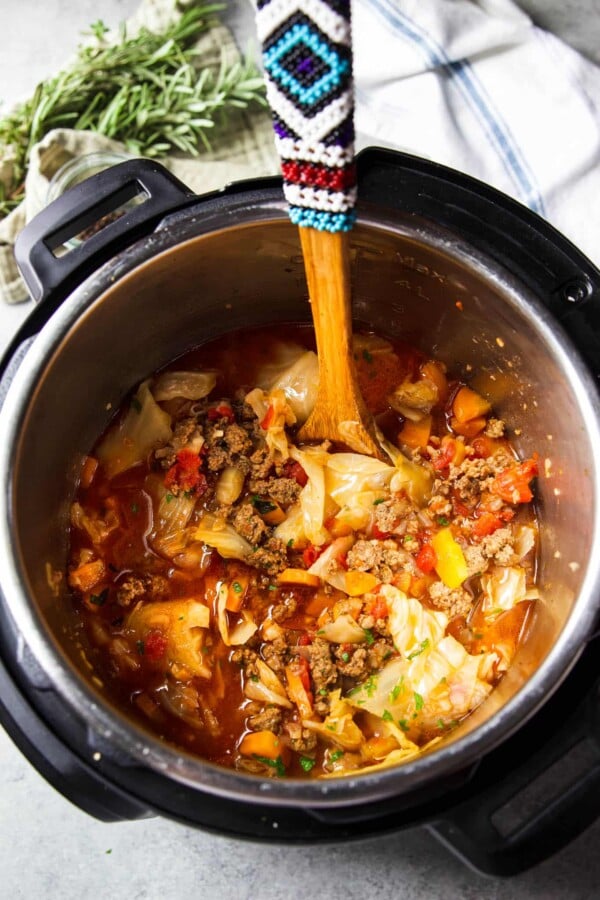
Cabbage doesn’t always get the attention it deserves, and I know I am guilty of that. But I like to think of it as the quiet workhorse of the winter kitchen. Whether it’s tucked into soups, sautéed with olive oil and garlic, or shredded into a quick slaw, cabbage adds crunch, fiber, and that mild sweetness that balances heavier cold-weather meals.
Storage tip: Keep the outer leaves intact as they help preserve the head longer. A whole cabbage can last up to a month in the crisper drawer!
✨Fun fact: In many cultures, cabbage symbolizes prosperity and luck, a good reason to cook up a pot of it heading into the new year!
Cabbage Recipes




Red Cabbage Citrus Salad
If you’re looking for a vibrant, fresh, and nutrient-packed salad that truly pops with flavor, this Red Cabbage Citrus Salad is a must-try! I…
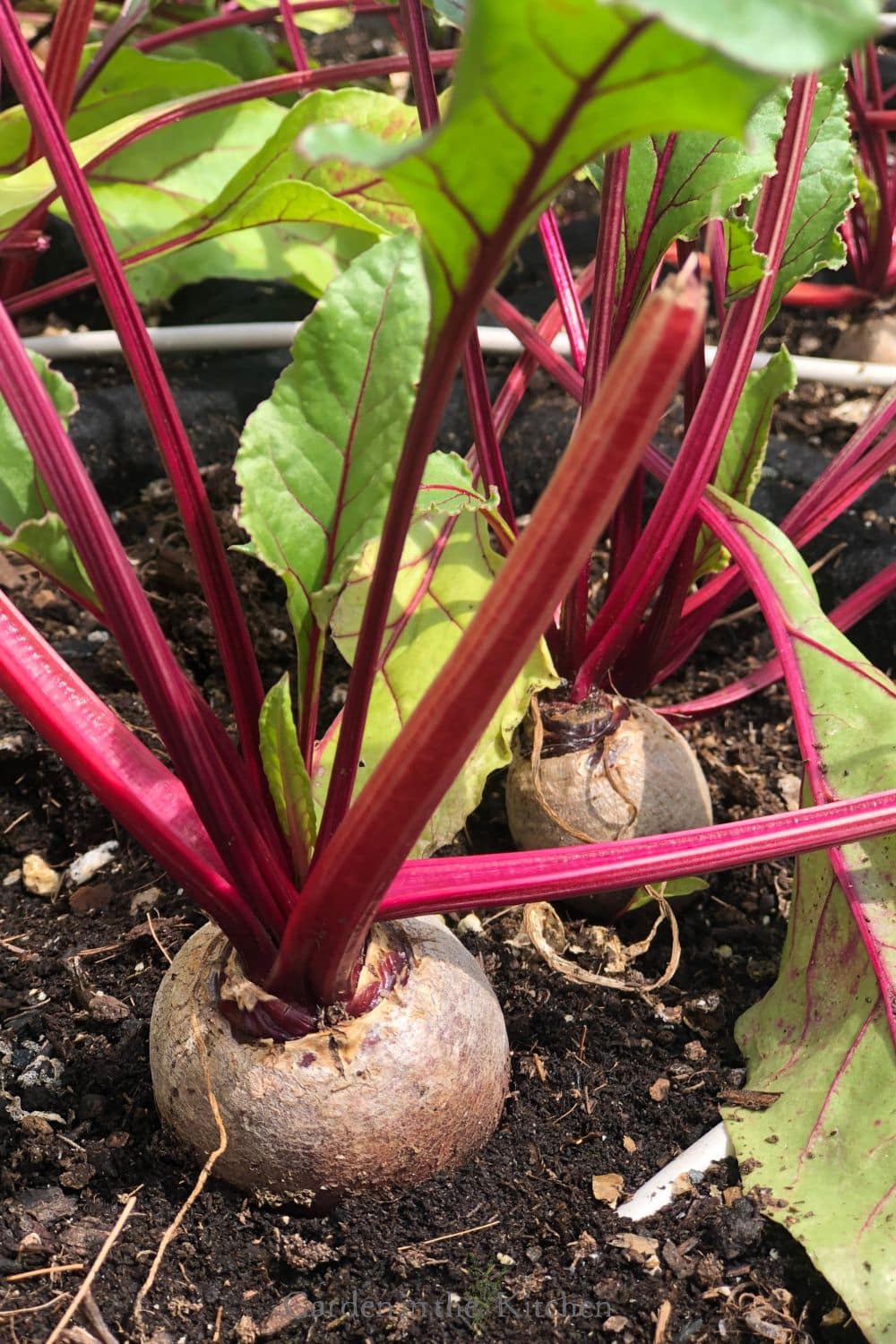
Cabbage might not be the flashiest thing in the garden, but it’s one of the most satisfying to grow. Watching those tight green heads form layer by layer feels like a small miracle every time. These beauties came straight from my garden. Crisp, humble, and full of life, proof that simple food is often the most rewarding.


Brussels Sprouts
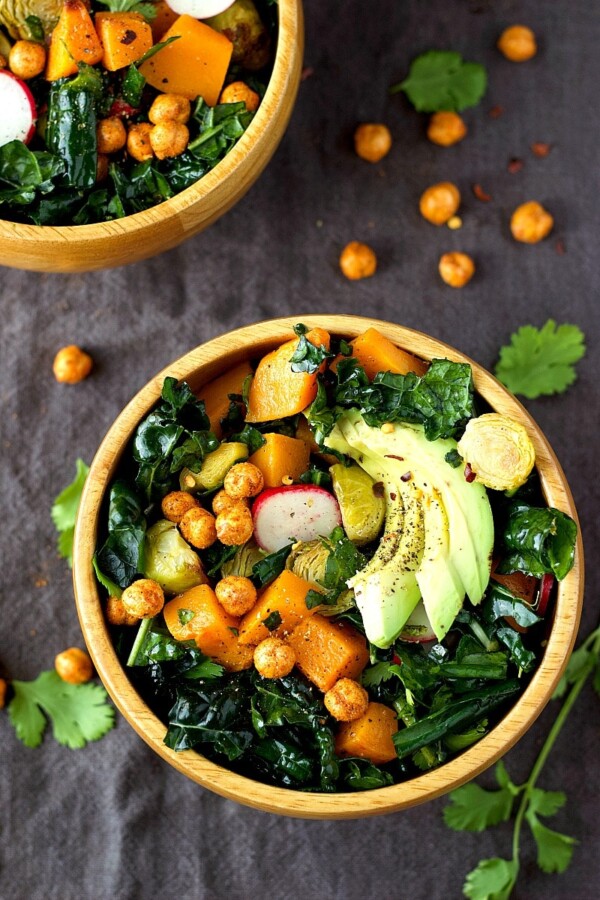
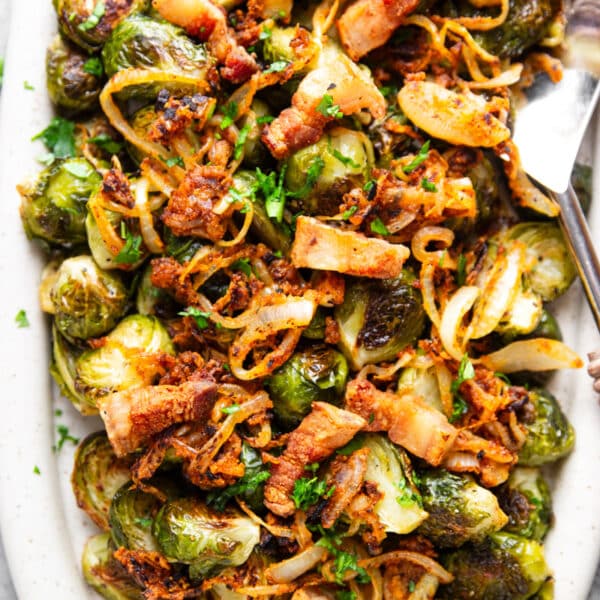
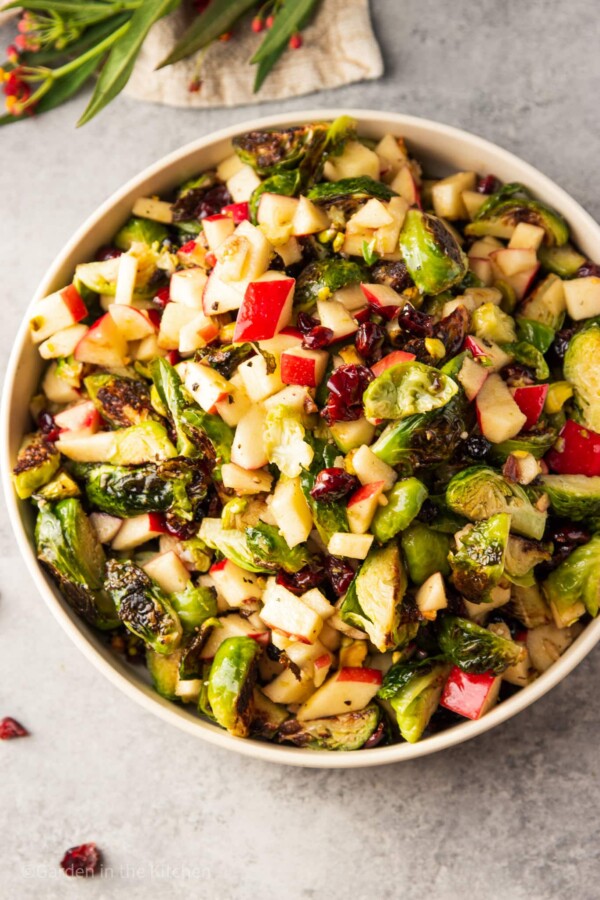
Brussels sprouts LOVE the cold! in fact, a touch of frost actually makes them sweeter. I always say if you haven’t roasted your Brussels yet, you haven’t really met them. A hot oven and a drizzle of olive oil turn them golden and irresistible. Try adding balsamic glaze or a sprinkle of parmesan for a simple weeknight win.
Storage tip: Keep them unwashed and loose in the fridge, or on the stalk if you find them that way — they’ll stay fresher longer.
Fun fact: Brussels sprouts are part of the brassica family, cousins to kale, cabbage, and broccoli, which explains why they’re just as good for you as they are delicious.
Brussels Sprouts Recipes
Onions
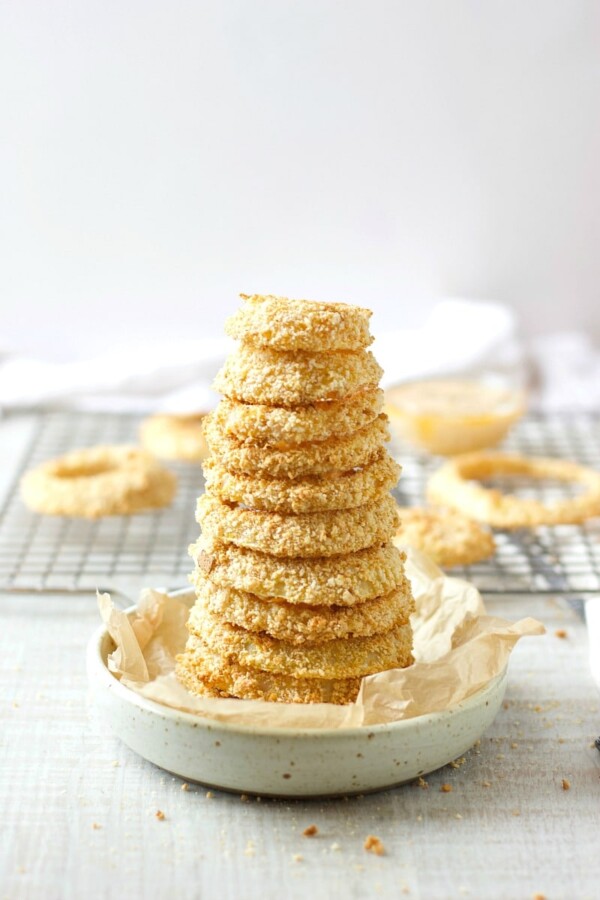
If you cook even a little, onions are probably the first thing you reach for. They’re the flavor foundation of nearly every comforting meal. Whether sautéed until golden, roasted alongside other veggies, or caramelized low and slow for a deep sweetness, onions quietly make everything better.
Storage tip: Keep them in a cool, dark place with good air circulation (not in the fridge unless they’re cut). Store away from potatoes, they release moisture and gases that make each other spoil faster. I keep my onions in these cute wooden crate tucked in my kitchen.
Onion Recipes

Fruits
Local fruit harvests wind down by December, but thanks to cold storage and regional growers, we can still enjoy crisp apples, pears, and the tart sparkle of cranberries well into winter.
Dozens of New England apple varieties are still delicious from storage. The pears are sweet and juicy, in fact last week I picked up some from a local grower on the side road, and they were probably the most delicious pears I have even eaten!
Today we are focusing on two fruit varieties that are in season; cranberries and citrus. Cranberries are grown right here in Massachusetts and citrus such as clementines, grapefruit and oranges are imported but seasonal.
Cranberries
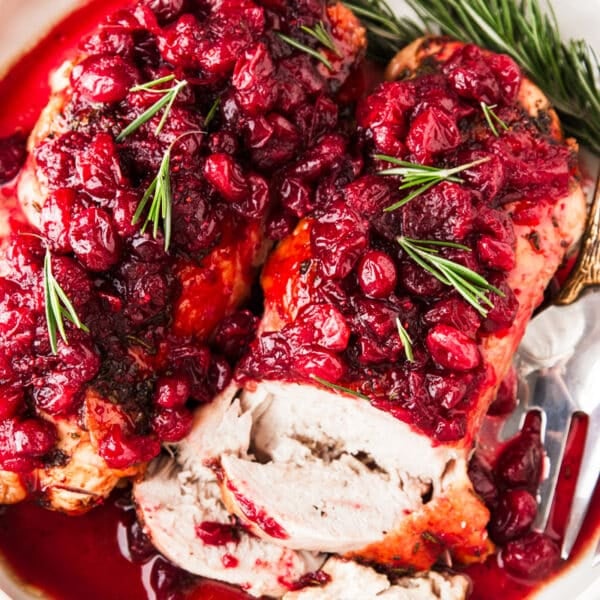
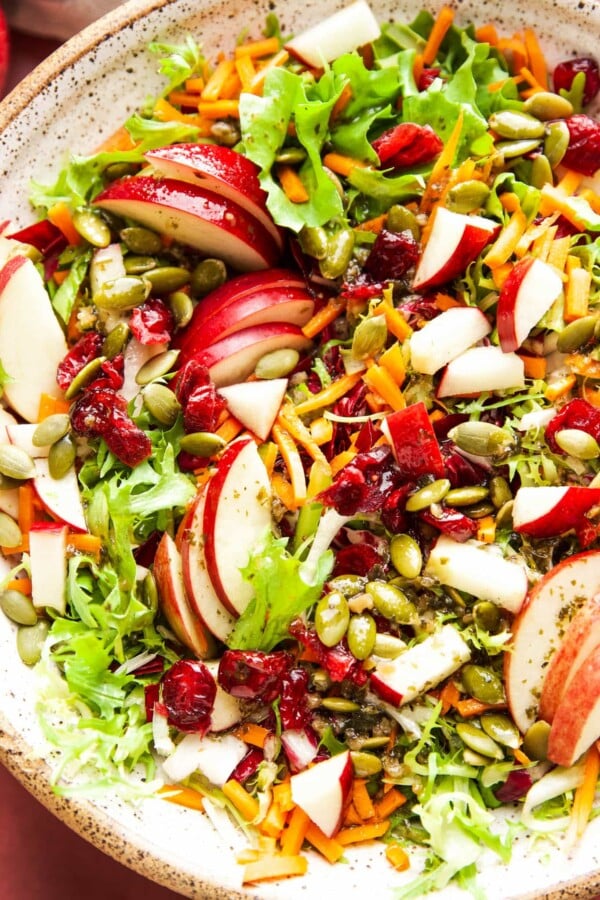
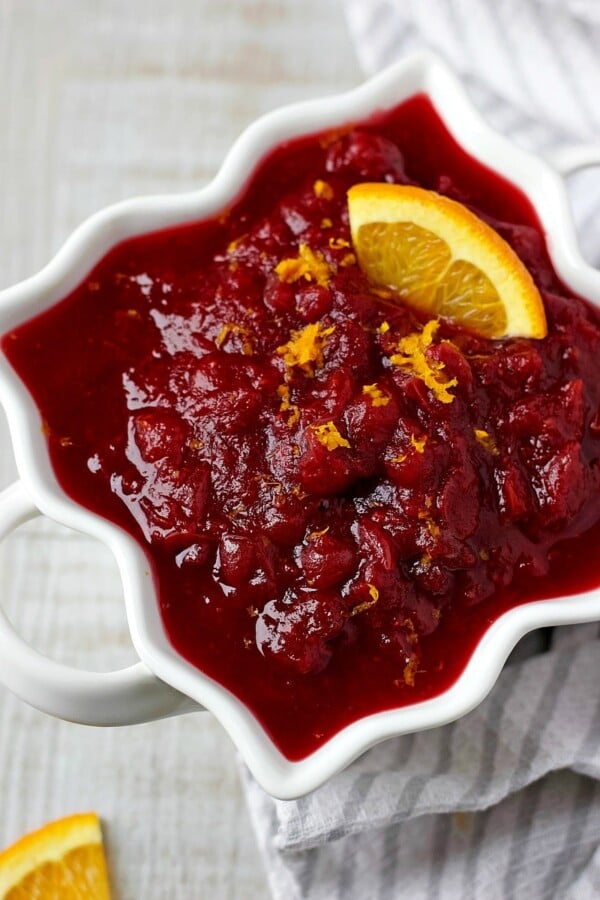
Nothing says late fall in New England quite like cranberries. Tart, jewel-toned, and bursting with brightness when everything else outside has gone gray. I love how their sharp flavor brings balance to cozy winter dishes, whether simmered into sauce, baked into crisps, or tossed fresh into salads.
There’s a kind of local pride in cooking with cranberries too. They always remind me of my winter trips to Cape Cod and seeing the cranberry bogs. The vibrant red berries floating on still water, the cool air, and that quiet beauty that feels so uniquely New England. It’s impossible not to be inspired to cook after seeing that.
Cranberry Recipes


Citrus
While citrus isn’t grown locally here, I always welcome it into my kitchen this time of year. Blood oranges are one of my favorite varieties, their deep ruby color and sweet-tart flavor feel like a little sunshine in the middle of winter. I love using them in salads, desserts, or simply sliced over yogurt for breakfast. They brighten the plate and the mood, proof that even during New England’s slow growing season, we can still eat beautifully and colorfully.
Blood Orange Featured Recipe
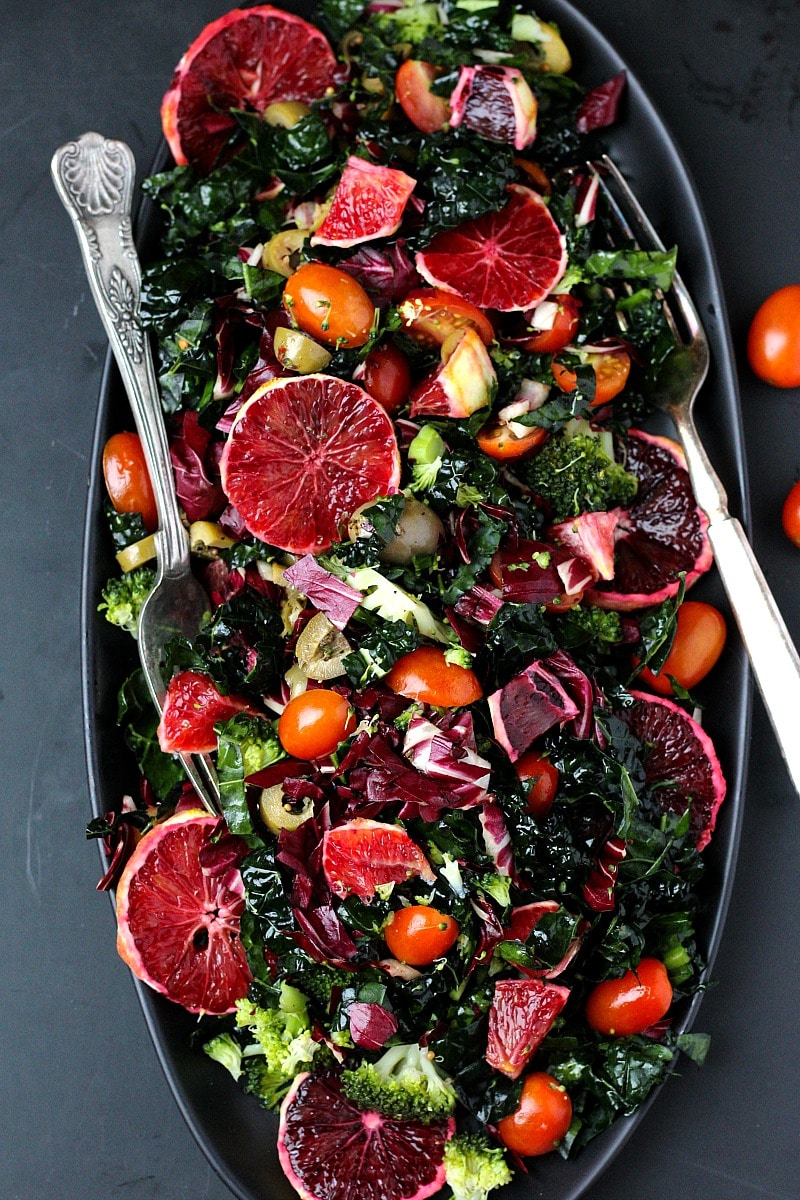
Winter Retreat Blood Orange Kale Salad
This Winter Retreat salad is packed with superfoods like kale and blood orange that will nourish you from the inside…
Citrus Infused Recipes



Herbs
Most tender herbs have faded by now, but the woody, cold-hardy varieties will carry you through the winter.
When the garden slows down, I love finding ways to carry those fresh herb flavors into the colder months. Rosemary, thyme, and sage are my go-tos this time of year. Their woodsy aroma instantly makes the kitchen feel cozy, and they pair beautifully with all the hearty winter vegetables.
To make them last, I like to freeze herbs in olive oil for quick bursts of flavor, craft a simple rosemary-infused olive oil to drizzle over roasted veggies or bread, and whip up herb butter for a touch of freshness anytime I need it. Little things like this keep the essence of the garden alive in my kitchen all winter long
✨ Kitchen tip:
Dry the last of your herbs now or freeze them in olive oil cubes for easy flavor boosts later.
Herb Infused Recipes
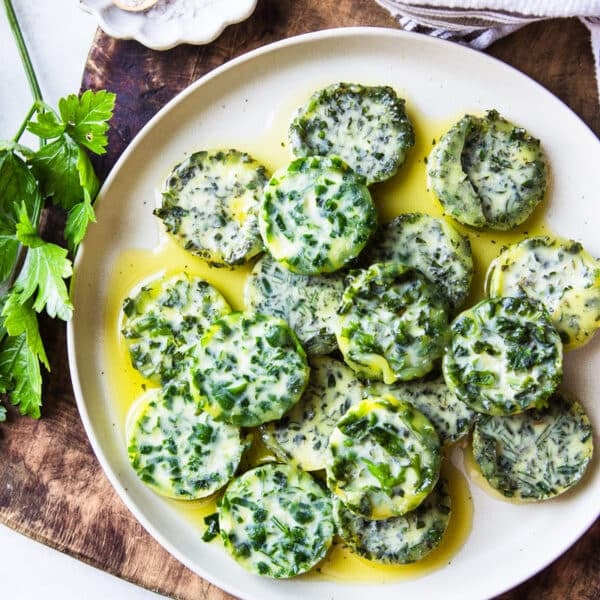
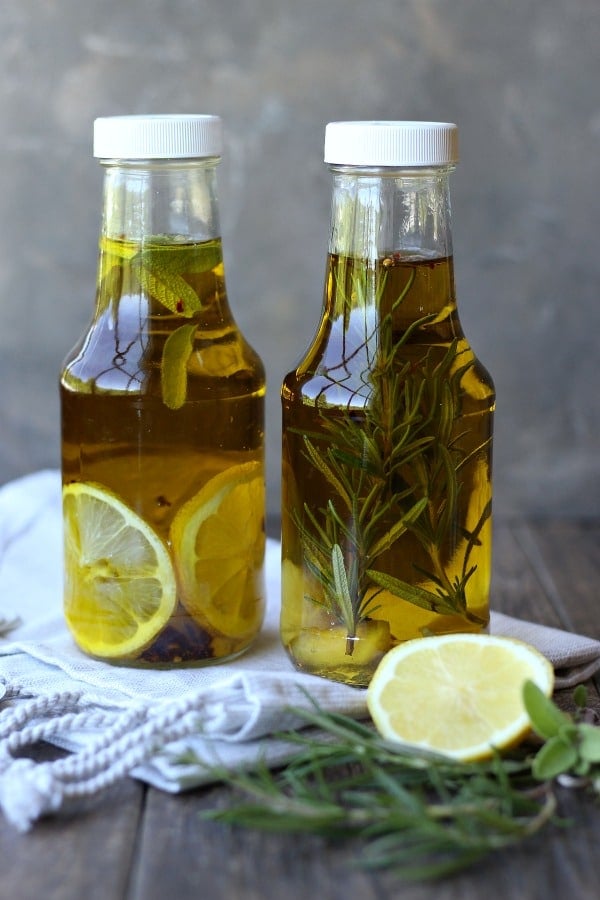
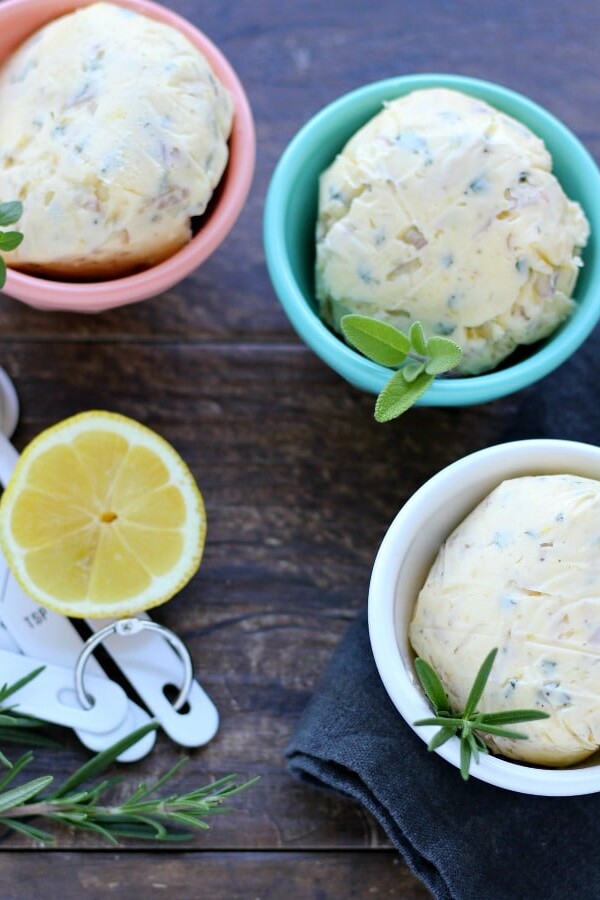
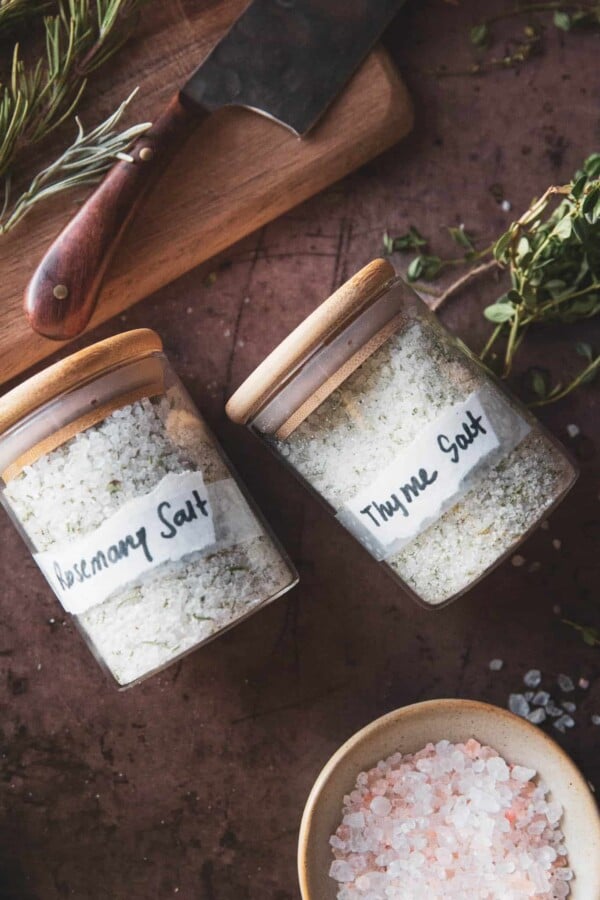
Growing herbs has always been one of my greatest joys. There’s something so grounding about stepping outside, brushing my hands through the leaves, and coming back into the kitchen with a handful of fresh rosemary or thyme. I grow a little bit of everything — from tender basil in summer to hardy sage that hangs on through fall. Having fresh herbs just steps away makes everyday cooking feel special, and it’s a daily reminder of how good it feels to stay connected to the garden, even in the smallest ways.


Final Thoughts
Even though November and December feel like a pause between seasons, they’re a chance to slow down and reconnect with the rhythms of the kitchen. Roasting, simmering, baking, and savoring. The produce might not be flashy, but it’s full of depth and sweetness that only cold weather can bring out.