Winter in New England can feel long and quiet in the garden. After the last frost and the final fall harvest, there’s a period where it seems like the earth goes to sleep. But if you know where to look and how to shop seasonally, January and February can be some of the most flavorful months in the kitchen.
We lean into crisp root vegetables, bright citrus, hearty greens, and cozy squash that stand up beautifully to winter cooking. These are the ingredients I reach for again and again, whether I’m making a big pot of soup, roasting veggies for meals throughout the week, or brightening a salad with citrus when the days feel gray.
In this guide, we’ll explore what’s delicious and thoughtfully seasonal right now, from carrots and sweet potatoes to kale, spinach, citrus, onions, and winter squashes and how to make the most of them with storage tips, flavor pairings, and recipe ideas that keep winter cooking feel vibrant and satisfying even when it’s chilly outside.

Carrots
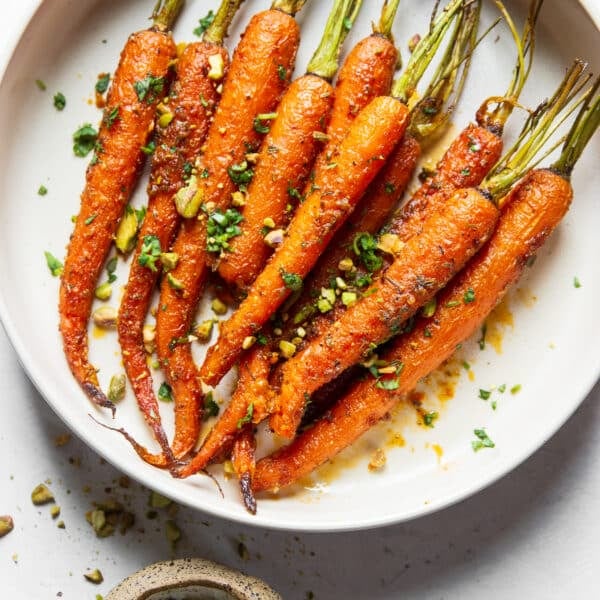
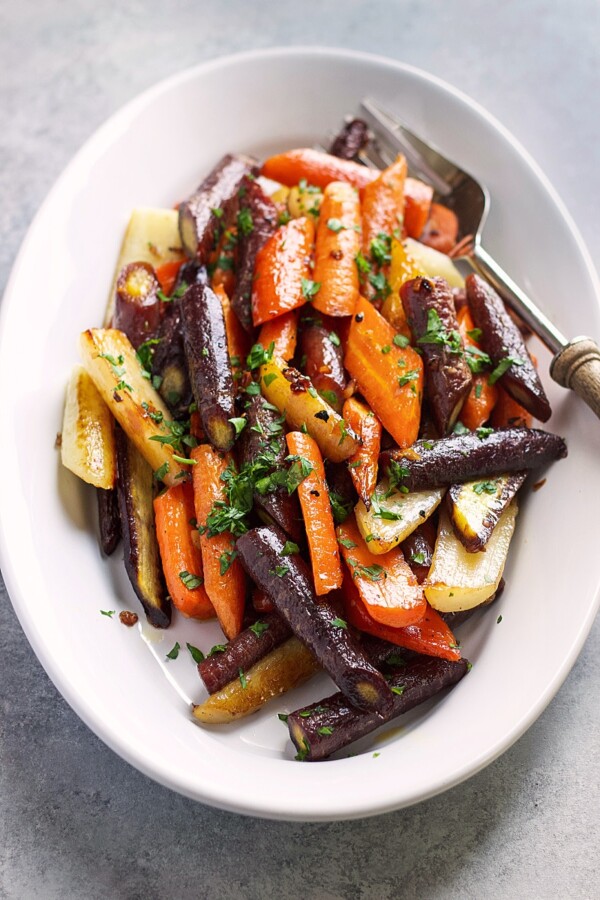
Carrots are one of the staples of winter produce: sweet, crunchy, and adaptable. They’re rich in beta-carotene and keep beautifully in the fridge for weeks. We love tossing roasted carrots with hot honey, shredded in salads, and added to soups and stews.
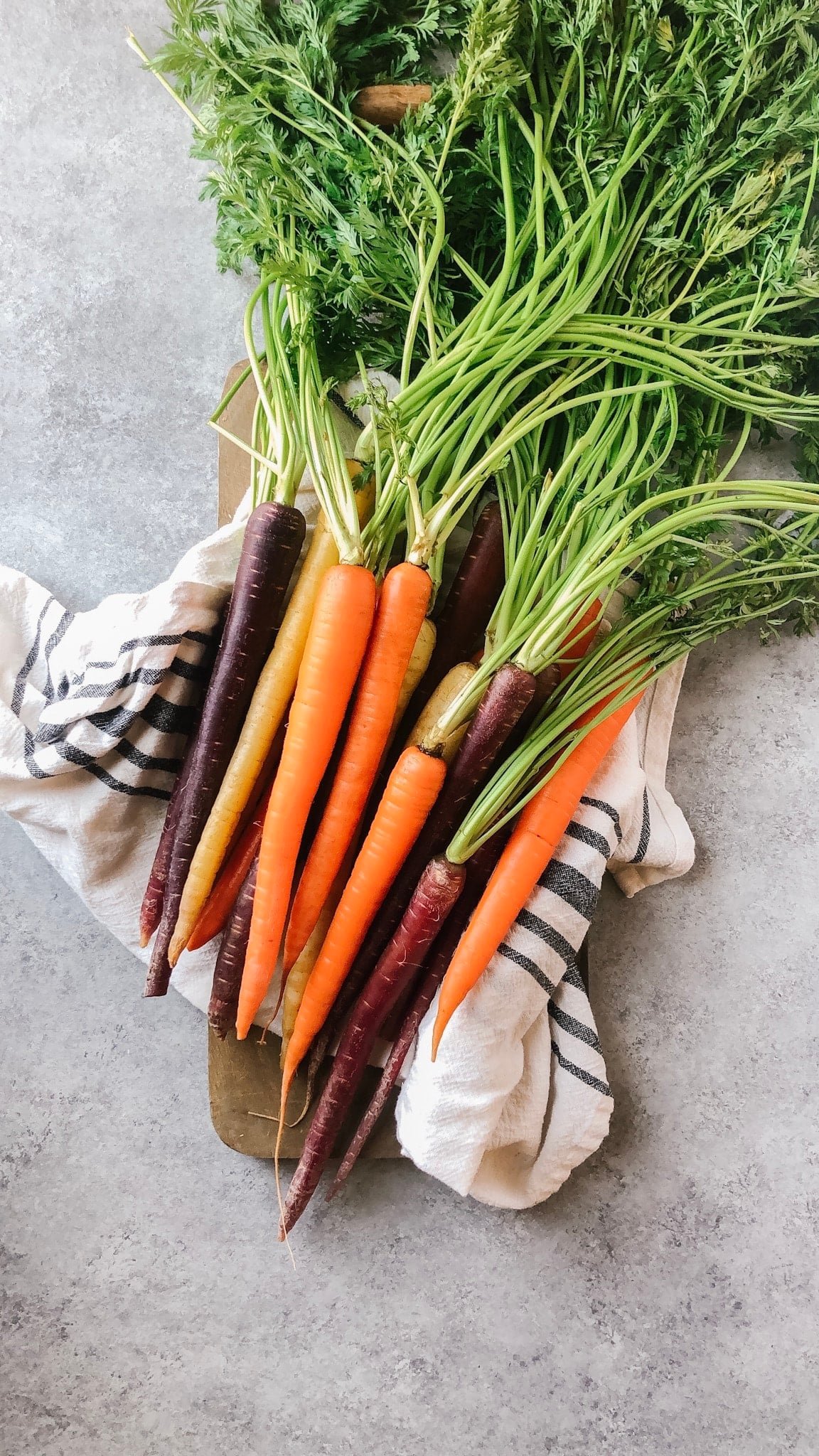
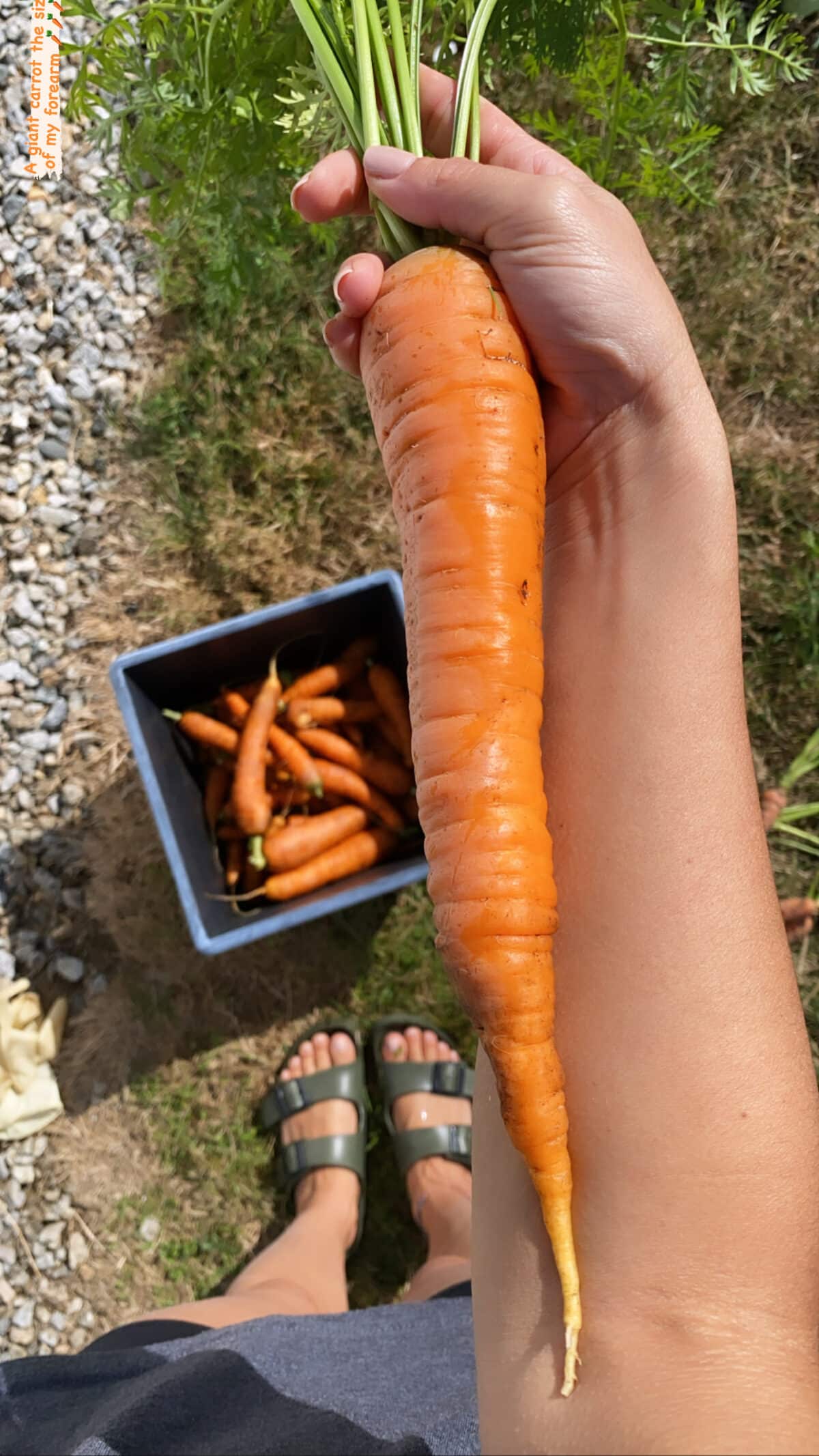
I grow carrots in my own garden every year, and they’re one of the most rewarding winter staples, proof that simple, seasonal produce can be incredibly flavorful (see pictures of my home grown carrots below)
storage tips for carrots
Store in a perforated bag in the crisper drawer; remove tops if present so they don’t draw moisture from the roots.


How To Make Carrot Fries
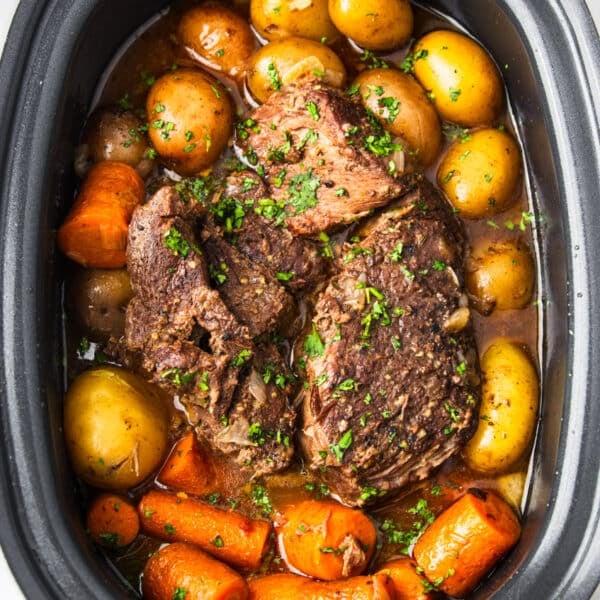
Carrot Soups and Stews


Sweet Potato
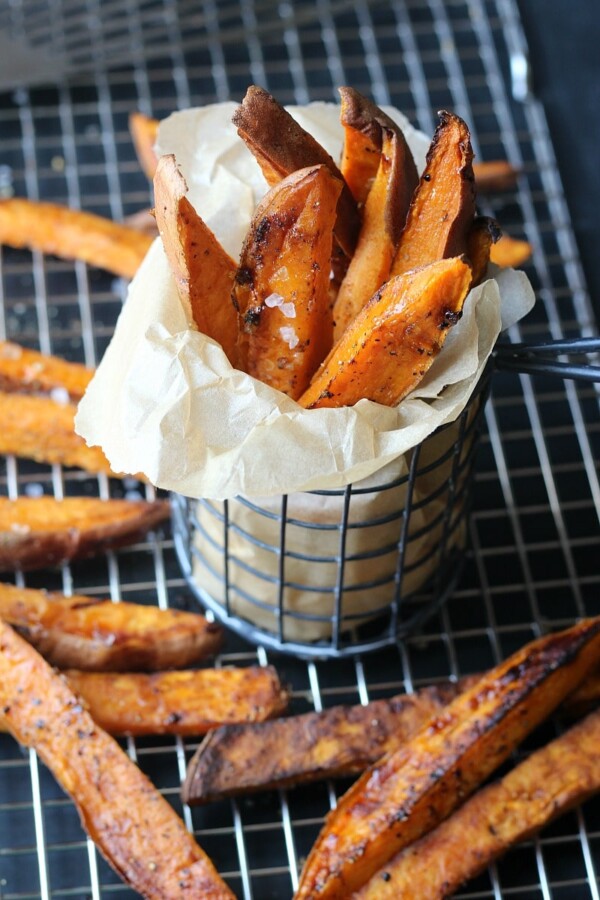
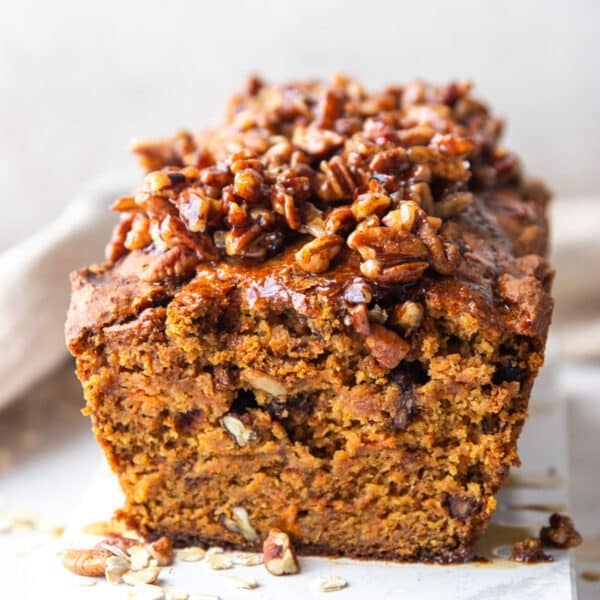
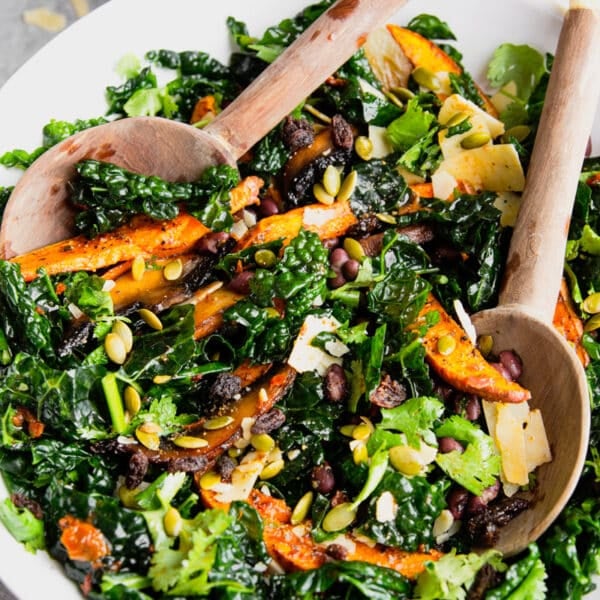
Sweet potatoes are sweet, easy to love, filling, and nutrient-dense. They make winter meals feel hearty without heaviness. We love pairing steaks with sweet potatoes for a delicious meal that will keep us full longer.
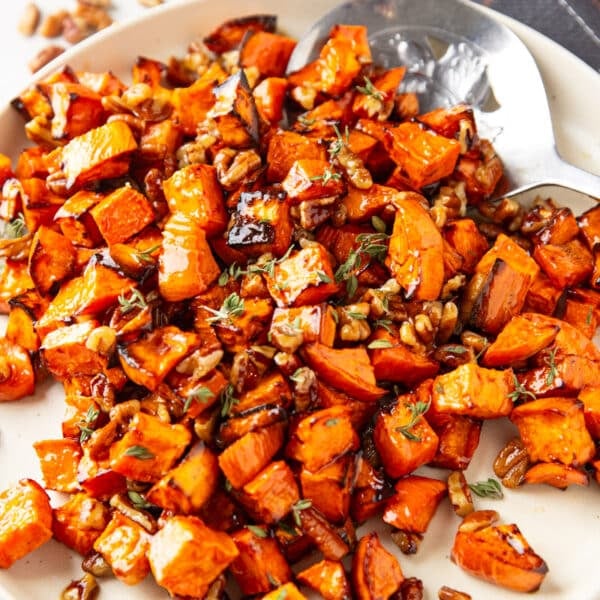
Enjoy sweet potatoes cubed (and roasted) in grain bowls, mashed sweet potato with warming spices, sweet potato fries and baked with your favorite toppings.
storage tips for sweet potato
Keep at cool room temperature (away from sunlight), don’t refrigerate, this helps maintain texture and sweetness. I use these wooden produce crate for my potatoes, they are super cute in the kitchen and get the job done!

Onions
Onions, leeks, shallots, and scallions form the base of so many winter dishes, something I can’t cook without! Their savory sweetness builds the foundation for soups, braises, sauces, and roasts. To me onions are the hidden gems of great tasting meals.
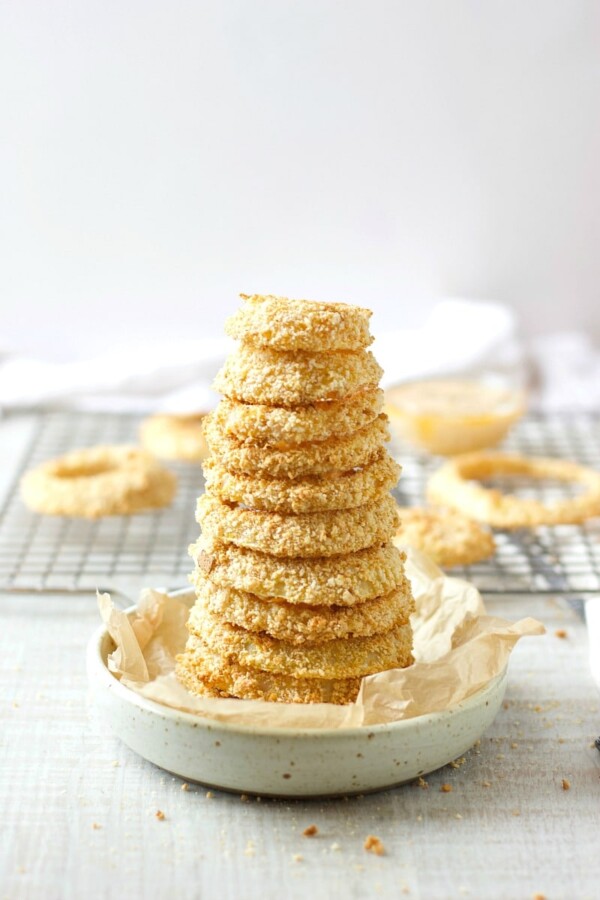
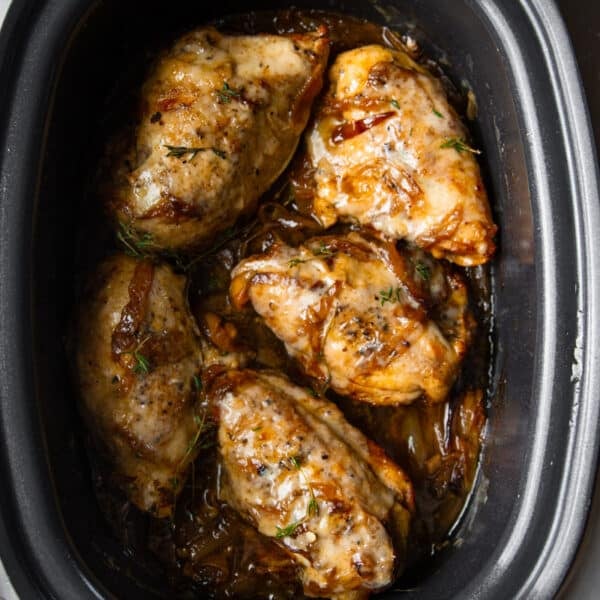
Use onions as a base for soups, stews, braised meats. Roasted with vegetables, pickled in sandwiches, add raw onion slices in salads and burgers or make them the star of the show in a classic French Onion Soup.
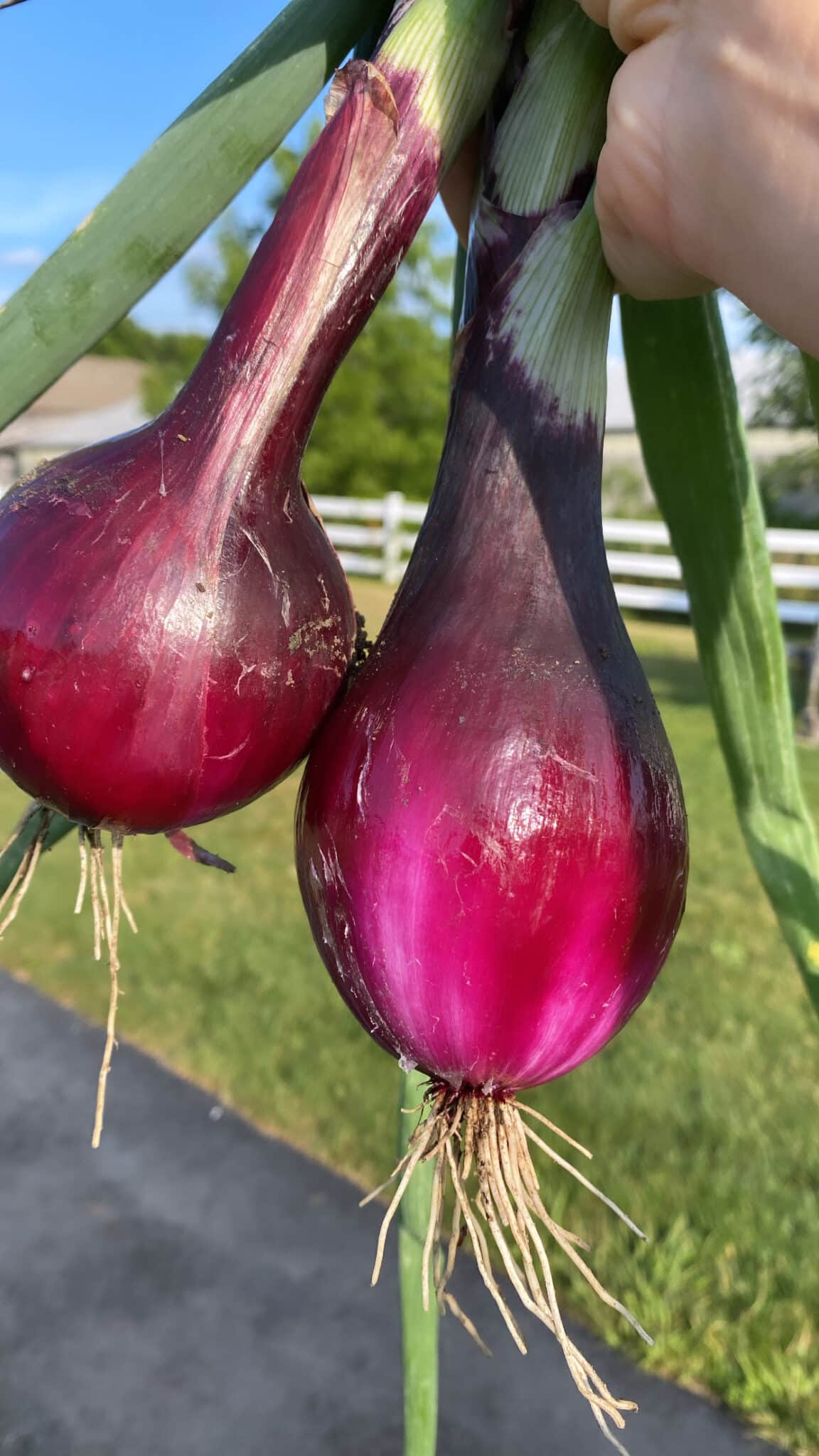
STORAGE TIPS FOR ONIONS
Store bulbs in a cool, dry place with good ventilation. I purchased these wooden crates and keep my onions in the small crate and the potatoes in the bigger crate. For green onion, keep them wrapped in a damp towel in the fridge.

Kale and Spinach
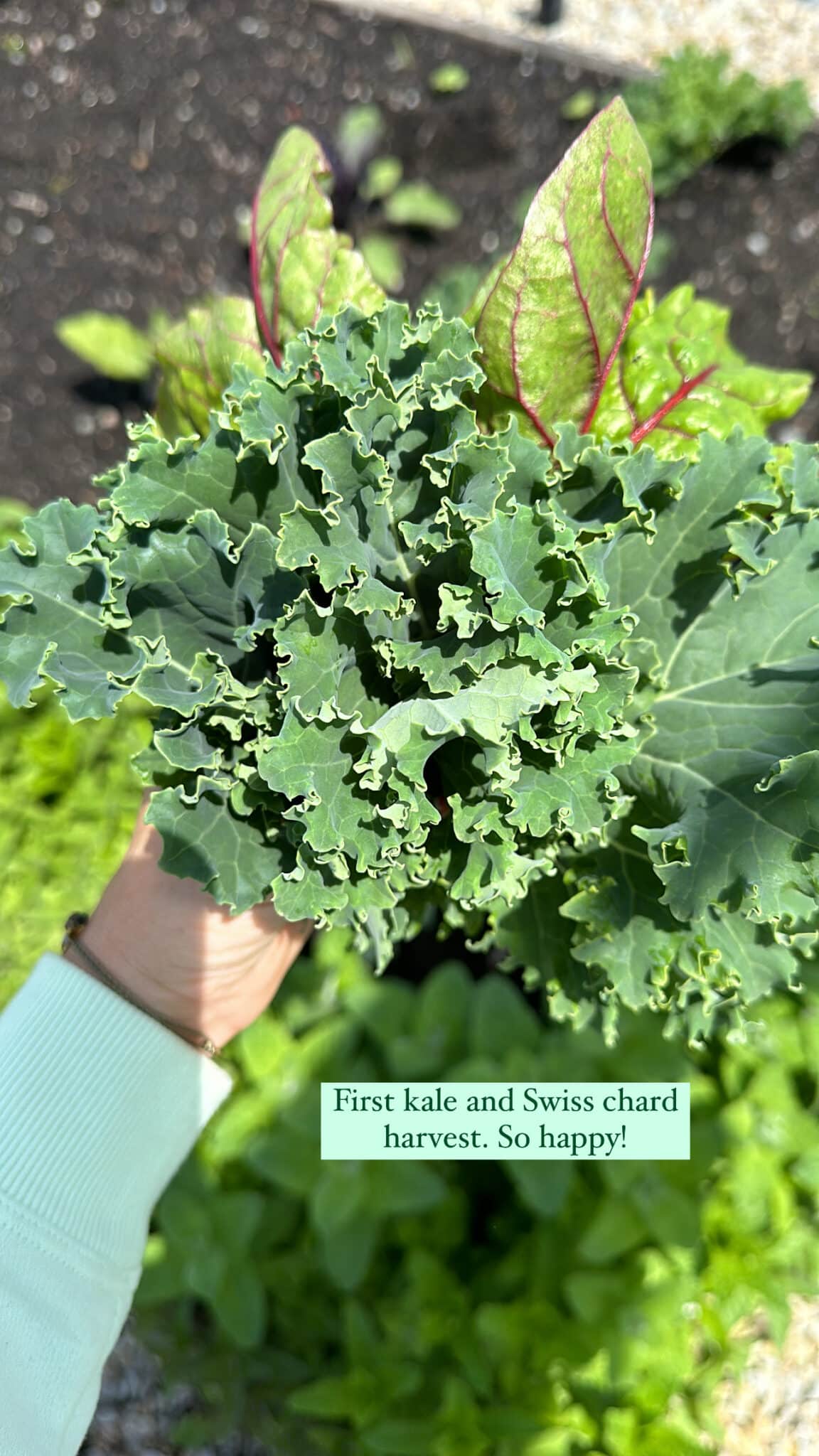
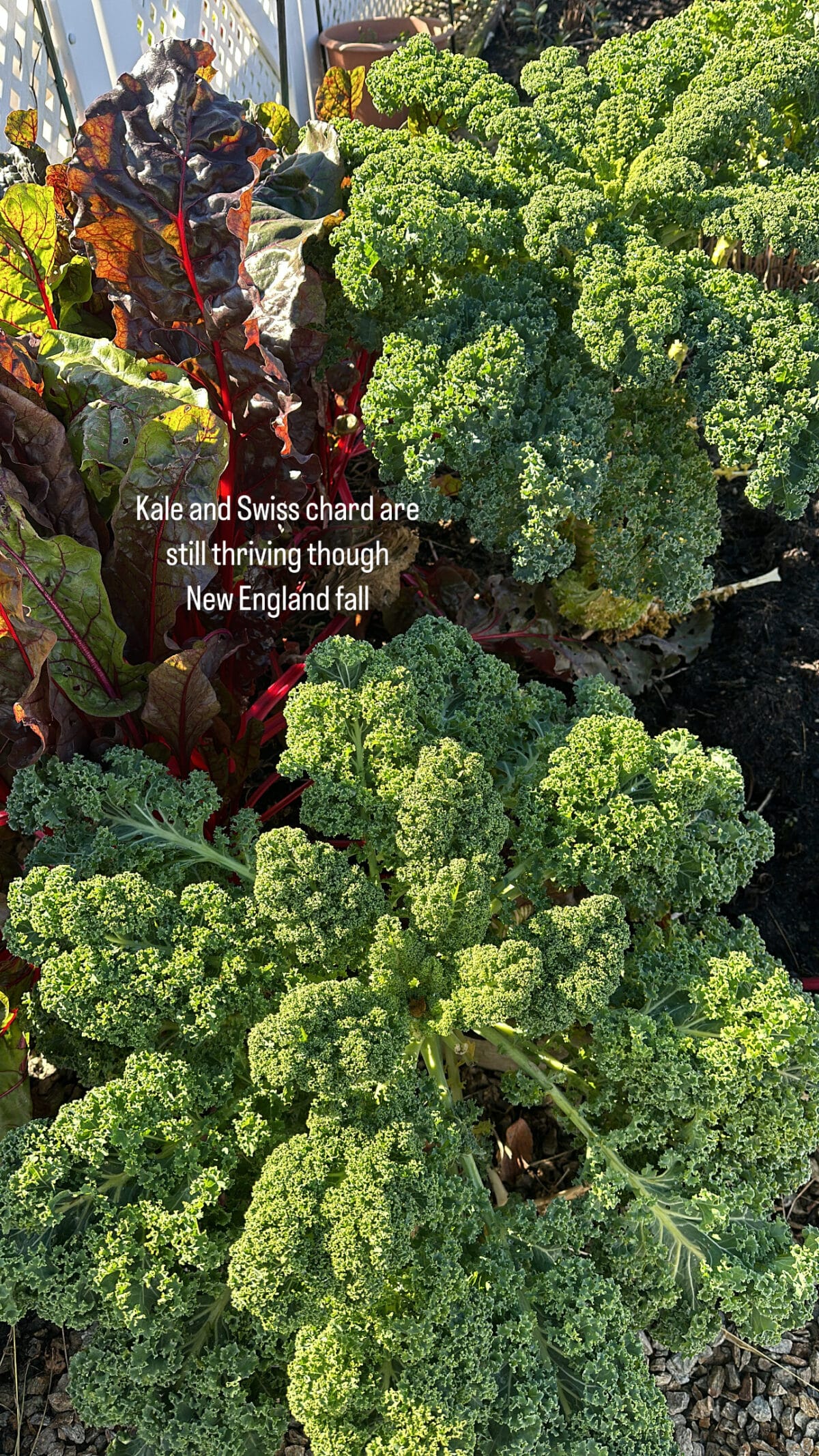
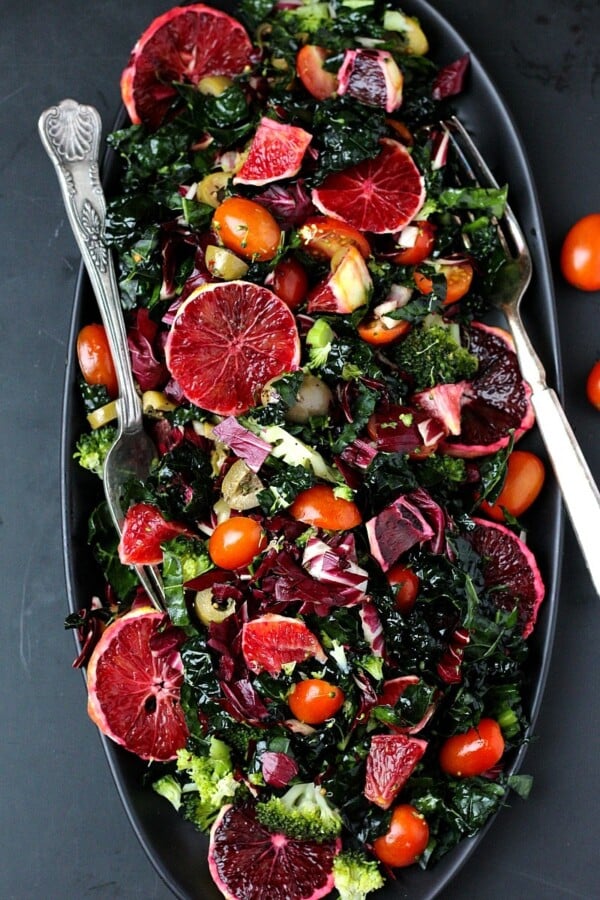
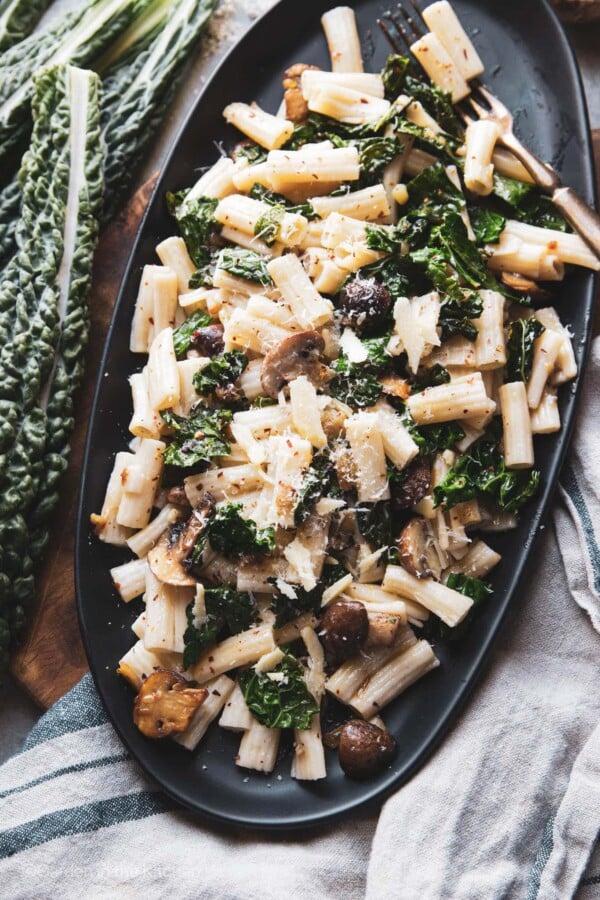
Kale thrives in the cold (they are usually the last to die in my garden!). They are tough, slightly bitter with earthy flavors. Kale becomes softer when braised, sautéed, or massaged raw. On the opposite side of kale we have super tender spinach. Bright and nutrient-rich, spinach adds freshness to robust winter dishes.
storage tips for kale and spinach
Keep leaves loosely wrapped in a perforated bag in the fridge. Remove slimy leaves from the bunch. Use within a week for best texture.
Kale is one of the true champions of my New England garden. It handles the cold beautifully and often tastes even sweeter after a frost. It’s one of the few greens I can count on late into the season, which makes it a winter kitchen staple for me (see photos from my garden below)


Citrus
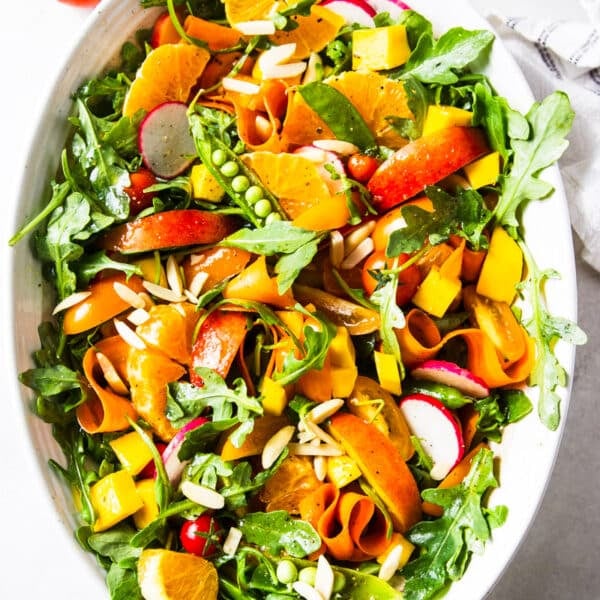
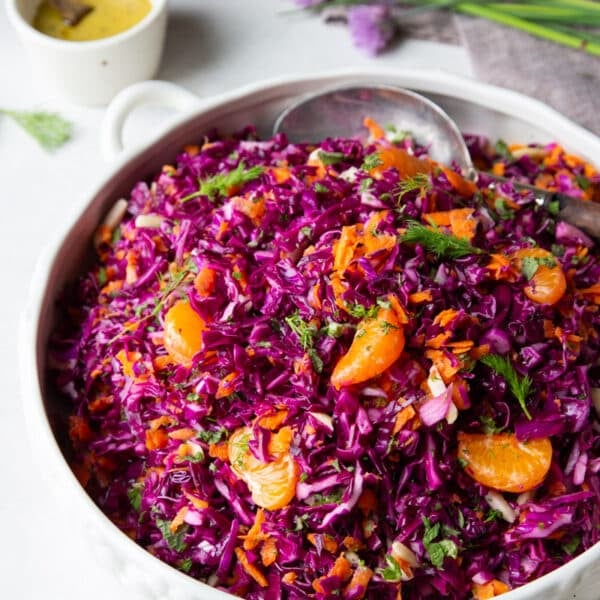
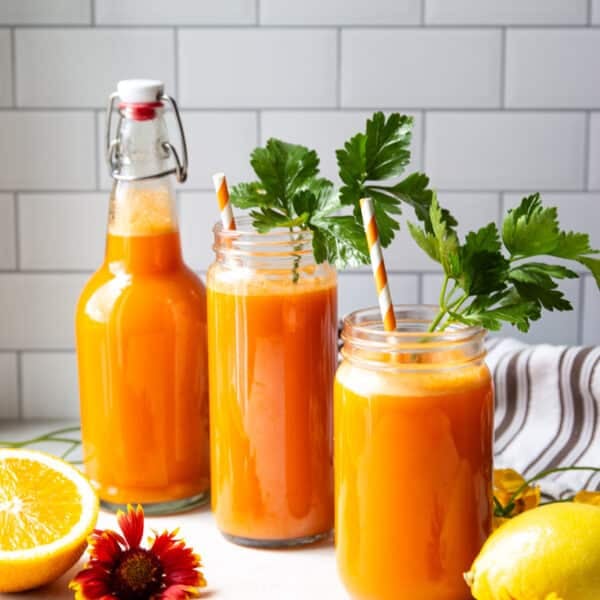
Citrus brightens cold winter days (and dishes!) like no other. Oranges, grapefruits, lemons, and limes bring acidity and sweetness that elevate savory and sweet recipes alike.
🍊 Note: Even though citrus doesn’t grow in New England or northern regions, winter is truly peak season for these bright, sun-kissed fruits. Oranges, mandarins, grapefruits, lemons, and their cousins are at their best from late fall through late winter. This makes them a seasonal treat that feels like sunshine on a cold day
storage tips for citrus fruits
Most citrus stores well at room temperature for a week or in the crisper for longer. Keep a basket on the countertop away from bright sunlight. I love these natural wicker baskets, the natural fibers and tiny holes let the fruit breathe and last longer.
Winter Squash
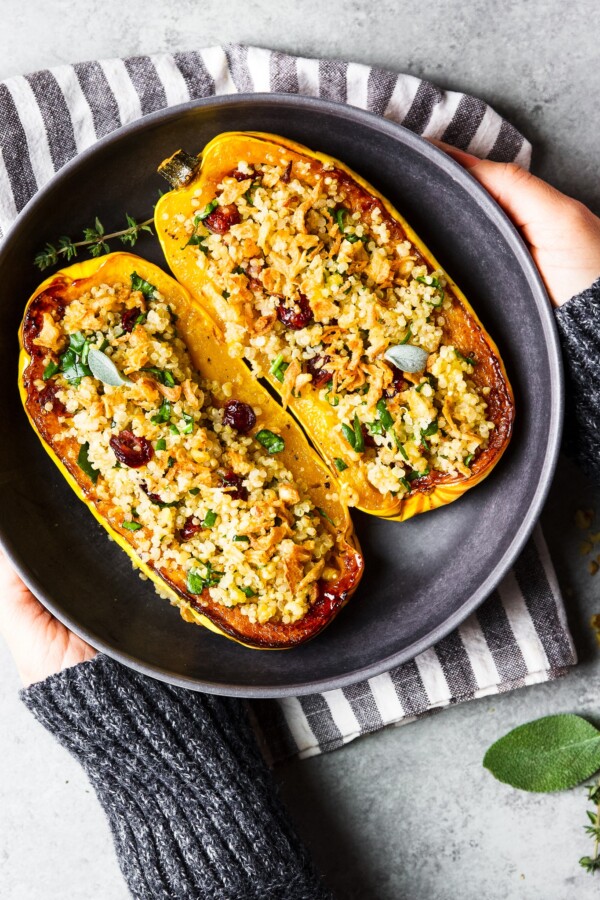
Yes, we are still rocking winter squashes since late fall! Winter squashes bring a sweet, nutty richness to winter menus. They are perfect in soups, roasting, braising, and even pasta alternatives like spaghetti squash.
Enjoy your favorite variety of squash cubed and roasted with herbs, creamed in soups, pureed and stuffed. Here are some of our favorite recipes!







Roasted Butternut Squash Soup (Video)
Sausage Butternut Squash Skillet (Video)
Winter cooking has its own quiet kind of beauty. Sturdy vegetables, bright citrus, and dependable greens that carry us through the cold months with comfort and nourishment. Even when the garden beds are resting here in New England, seasonal eating is still very much alive in the kitchen. I hope this guide gives you fresh inspiration for cooking with what’s in season now and helps you see winter produce as something to look forward to, not work around. If you’re cooking with any of these ingredients lately, I’d love to hear what’s on your table.